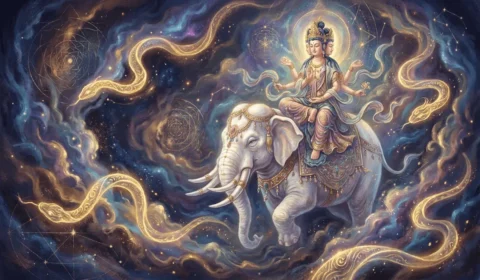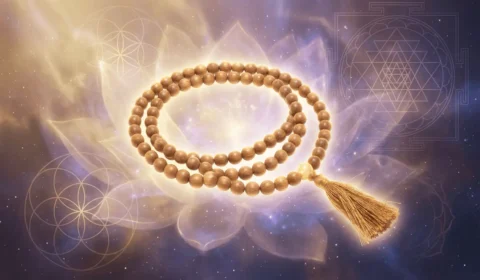


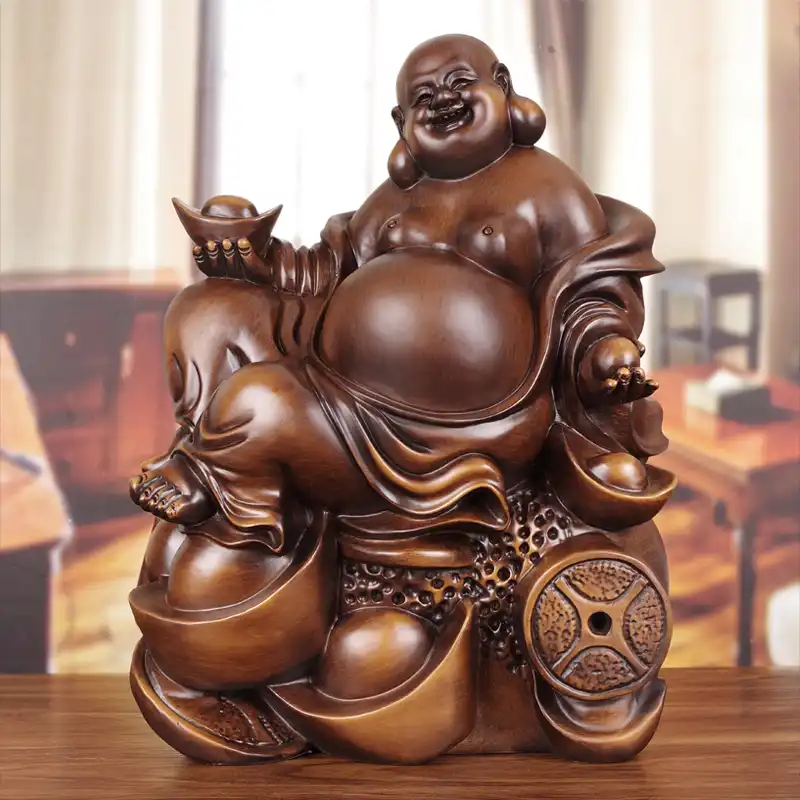

An Om Mani Padme Hum bracelet is a powerful spiritual tool used to cultivate compassion and inner peace through the six sacred syllables of Tibetan Buddhism. People wear these bracelets to stay connected to the energy of the Bodhisattva of Compassion while seeking emotional balance in their daily lives. In this guide, we will explore the deep symbolism of the “Jewel in the Lotus” and how this ancient mantra can transform your modern spiritual practice.
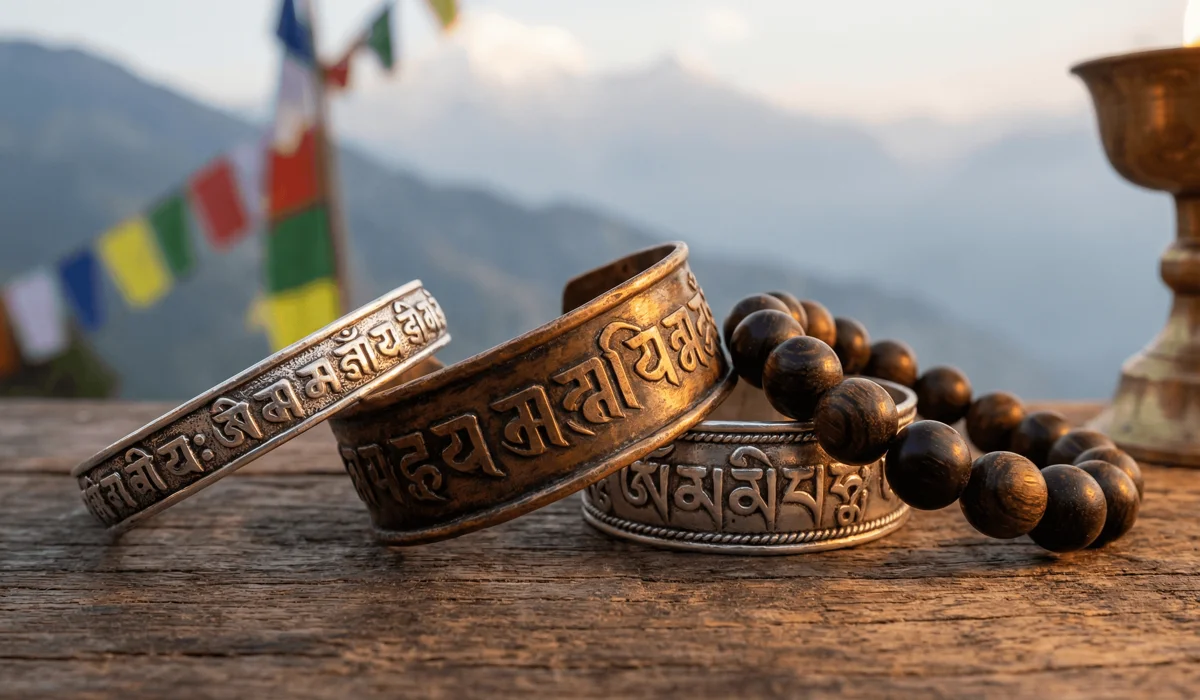
- Spiritual Core: Represents the infinite compassion of Avalokiteshvara Chenrezig.
- Six Syllables: Each sound purifies a specific negative emotion and rebirth realm.
- Material Energy: Available in copper, silver, and sacred woods for different energetic needs.
- Daily Mindfulness: Serves as a physical anchor for meditation and present-moment awareness.
- Wearing Rule: Typically worn on the left hand to receive spiritual blessings and energy.
What Is an Om Mani Padme Hum Bracelet?
A mantra bracelet is a sacred accessory that features the most famous six-syllable Sanskrit chant in the world. Often called a “Mani bracelet,” it acts as a wearable prayer that keeps the wearer mindful of their spiritual path. Based on our experience crafting these pieces, they serve as much more than simple jewelry; they are reminders of our potential for kindness.
Definition
The Om Mani Padme Hum mantra is the central heart of Tibetan Buddhism and is dedicated to the Bodhisattva of Compassion. By wearing these syllables on the wrist, practitioners believe they carry the protective and healing vibrations of the Buddha with them. Many of our customers reflect that simply seeing the etched characters helps them pause and breathe during a busy day.
Origin & Materials
These traditional bracelets find their roots in the high-altitude regions of Tibet and Nepal where the air is thin and the spirit is strong. Artisans use specific materials to enhance the spiritual properties of the mantra, ensuring each piece resonates with the wearer’s energy. We often source materials that have been used for centuries in Himalayan monasteries to maintain authenticity.
Common materials used in these sacred bracelets include:
- Tibetan copper mantra bracelet: Copper is highly valued for conducting spiritual energy and providing a grounded, earthy feeling.
- Silver Om Mani Padme Hum jewelry: Silver is chosen for its purity and its traditional association with the cooling, calm energy of the moon.
- Tibetan wood prayer bracelets: Crafted from Sandalwood, Rosewood, or Bodhi seeds to keep the wearer connected to nature.
Each material offers a unique tactile experience during meditation or daily wear.
Basic Characteristics
The mantra is usually etched, embossed, or carefully painted onto the surface of metal bands or individual beads. Some designs are simple corded wraps, while others are intricate works of art featuring precious stones like turquoise or coral. Authentic versions often include the “six true words” and sometimes the *Hrīḥ* seed syllable to complete the energetic circuit.
Spiritual Meaning & Symbolism
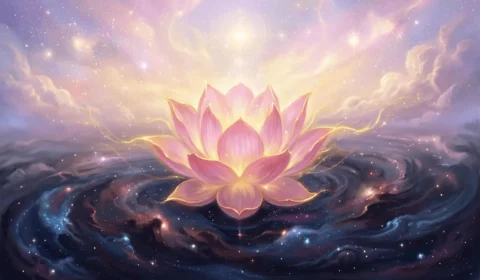
The “Jewel in the Lotus” is the core metaphor behind this sacred mantra, representing the birth of wisdom from the mud of suffering. Just as a lotus flower grows in murky water but remains perfectly clean, our inner spirit can remain pure despite life’s challenges. This transformation of the self is the ultimate goal of wearing Mantra Spiritual Meaning jewelry in your daily life.
Meaning of Each Syllable
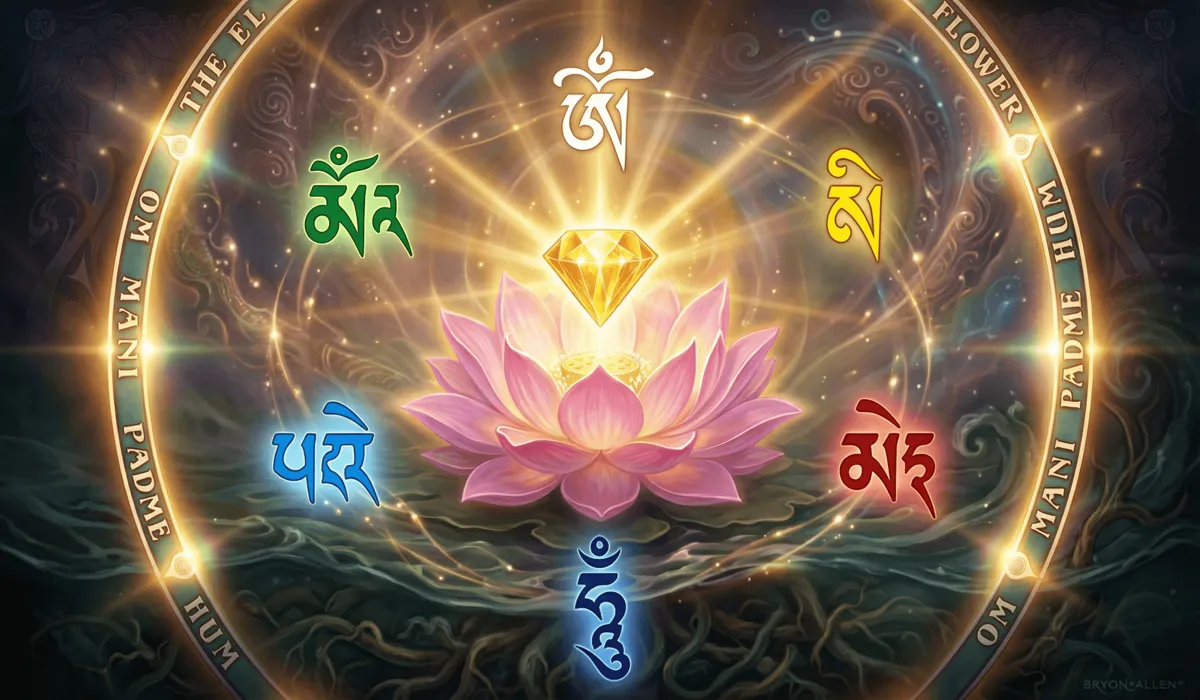
Each of the six syllables has a specific purpose in purifying the human ego and the various realms of existence. By understanding these sounds, you can focus your intention on the specific areas of your life that need healing. We find that meditating on these individual meanings adds a layer of depth to the experience of wearing the bracelet.
- Om (White): This sound purifies pride and the ego, helping the wearer connect with the divine realm of the gods.
- Ma (Green): Focuses on purifying jealousy and the constant lust for entertainment found in the Asura realm.
- Ni (Yellow): Designed to purify human passion and selfish desires that distract us from our true path.
- Pad (Blue): Aims to clear ignorance and prejudice, which are the primary traits of the animal realm.
- Me (Red): Purifies greed and possessiveness, helping to soothe the hunger of the ghost realm.
- Hum (Dark Blue): Purifies aggression and deep-seated hatred associated with the lowest hell realms.
Together, these syllables provide a complete map for emotional and spiritual purification.
Cultural or Historical Context
The mantra first appeared in the Kāraṇḍavyūha Sūtra, where it was described as the very heart of the Bodhisattva. In Tibet, these six syllables are carved into stones, printed on flags, and placed inside prayer wheels to bless the environment. It is considered a condensed form of all Buddhist teachings, making it a perfect tool for both monks and laypeople alike.
Benefits & Intentions Associated with Mantra Bracelets
Wearing a mantra bracelet is often linked to the intention of purifying the mind and soul with vibrations that resonate through the body. Many practitioners use these pieces as Crystal Healing Meanings guides to align their internal energy with external peace. Our community often reports a sense of “lightness” when they consistently wear their sacred jewelry during stressful times.
Commonly Associated Intentions
Most people choose an Om Mani Padme Hum bracelet for protection and as a way to create a symbolic shield against negativity. The vibrations of the mantra are believed to clear old karma and make room for new, positive experiences. It is a popular choice for those seeking emotional balance while navigating major life transitions or difficult environments.
Mindfulness & Personal Practices
For many, the bracelet serves as a tactile “anchor” that pulls them back to the present moment when they feel overwhelmed. Touching the beads or the metal inscription serves as a physical reminder to practice kindness toward oneself and others. This daily commitment to the path of compassion is what makes the bracelet a true spiritual tool rather than just an ornament.
How to Wear an Om Mani Padme Hum Bracelet
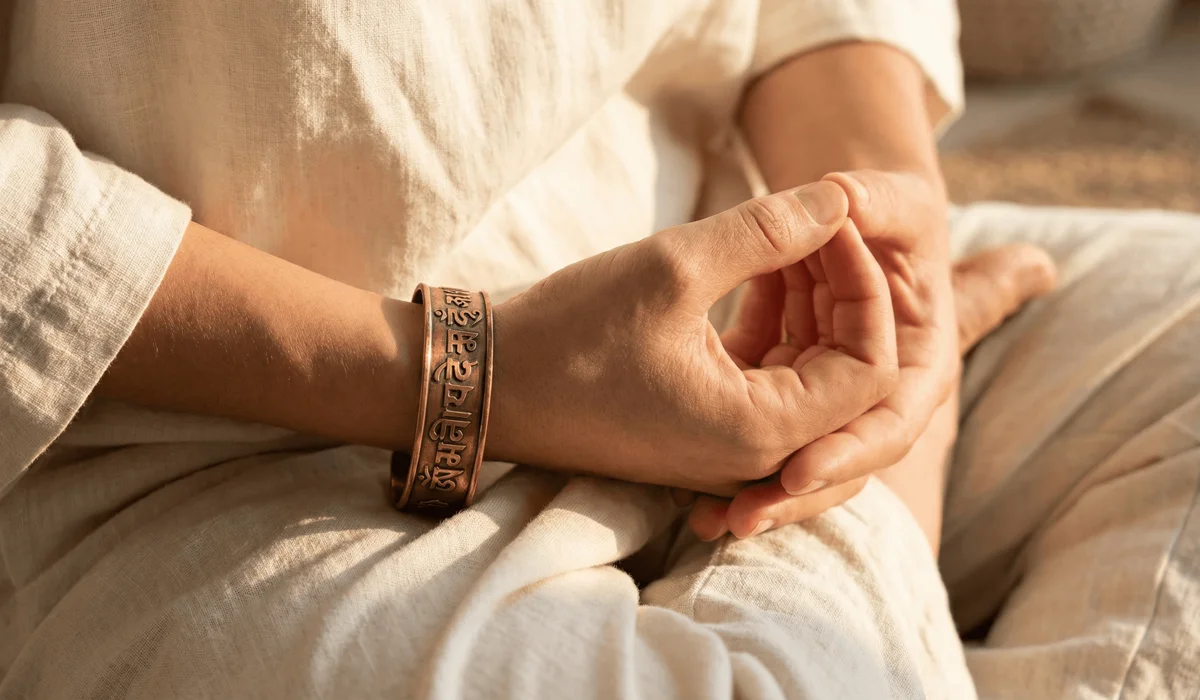
In Eastern philosophy, the hand you choose to wear your jewelry on determines how the energy flows through your body. Following traditional “Chi” (Qi 气) principles, the left hand is generally preferred for receiving spiritual energy. When you wear your bracelet on the left, you are inviting the blessings of the mantra to enter your heart and spirit.
Left Hand vs Right Hand
The left hand is known as the “receiving hand,” making it the ideal choice for absorbing the protective and compassionate qualities of the mantra. On the other hand, the right hand is the “giving hand,” used when you want to project compassion and positive energy outward to the world. Most practitioners who focus on personal growth and inner peace will choose the left wrist for their daily wear.
Intention-Setting Practices
To truly activate the potential of your bracelet, we recommend a simple intention-setting ritual before your first use. Hold the bracelet in both hands and visualize a warm, glowing light emanating from the six sacred syllables. You can then silently recite the mantra 108 times to align your personal energy with the ancient vibrations of the text.
If you are looking for a high-quality piece to start your practice, you can explore Tibetan Bracelets in our curated collection. Selecting a bracelet with a clear, deep etching ensures the symbols remain vibrant and effective for years to come.
Om Mani Padme Hum Bracelet vs Similar Spiritual Jewelry
It is helpful to understand how mantra jewelry differs from other popular spiritual accessories to ensure you choose the right one for your needs. While many pieces offer protection, the Om Mani Padme Hum bracelet is unique in its focus on active compassion and internal change. We have created a comparison to help you distinguish between these various spiritual tools.
| Feature | Mantra Bracelet | Evil Eye Bracelet | Mala Beads |
|---|---|---|---|
| Primary Purpose | Internal Compassion | External Protection | Counting Recitations |
| Engagement | Active (Mindfulness) | Passive (Guard) | Active (Meditation) |
| Common Material | Copper/Silver/Wood | Glass/Enamel | Seeds/Wood/Stone |
While an Evil Eye focuses on warding off envy, the mantra bracelet encourages the wearer to transform their own negative emotions into wisdom. Mala beads are excellent for long chanting sessions, but a bracelet is more practical for maintaining a “mindful intention” during a busy workday. Many people choose to wear both, using each for its specific spiritual strength.
Who Is the Mantra Bracelet Suitable For?
This sacred jewelry is suitable for anyone who resonates with the values of wisdom, kindness, and peace, regardless of their religious background. It is particularly effective for those working on their Heart Chakra (Anahata) to foster universal love and empathy. We often recommend these bracelets to people in high-stress jobs who need a gentle reminder to stay grounded and centered.
Chakra or Energy Alignment
The vibrations of the six syllables are said to resonate with the Crown Chakra (Sahasrara), connecting the wearer to higher spiritual planes. If you are feeling emotionally blocked or disconnected from your purpose, the bracelet can help rebalance your energetic body. It is a wonderful tool for those who practice yoga or any form of energy healing like Reiki.
Lifestyle & Personal Intentions
Whether you are a seasoned Buddhist practitioner or someone simply looking for more peace in your life, these bracelets fit into any lifestyle. They are understated enough for professional settings yet carry a profound meaning that you can carry privately. We believe that anyone who approaches the symbol with a sincere heart can benefit from its presence.
How to Cleanse, Charge, and Care for Your Bracelet
To keep your bracelet functioning as a powerful spiritual tool, it is important to cleanse and charge it regularly. Over time, spiritual jewelry can absorb stagnant energy from the environment or from your own emotional shifts. We suggest performing a cleansing ritual once a month or whenever you feel the energy of the piece has become “heavy.”
Cleansing Methods
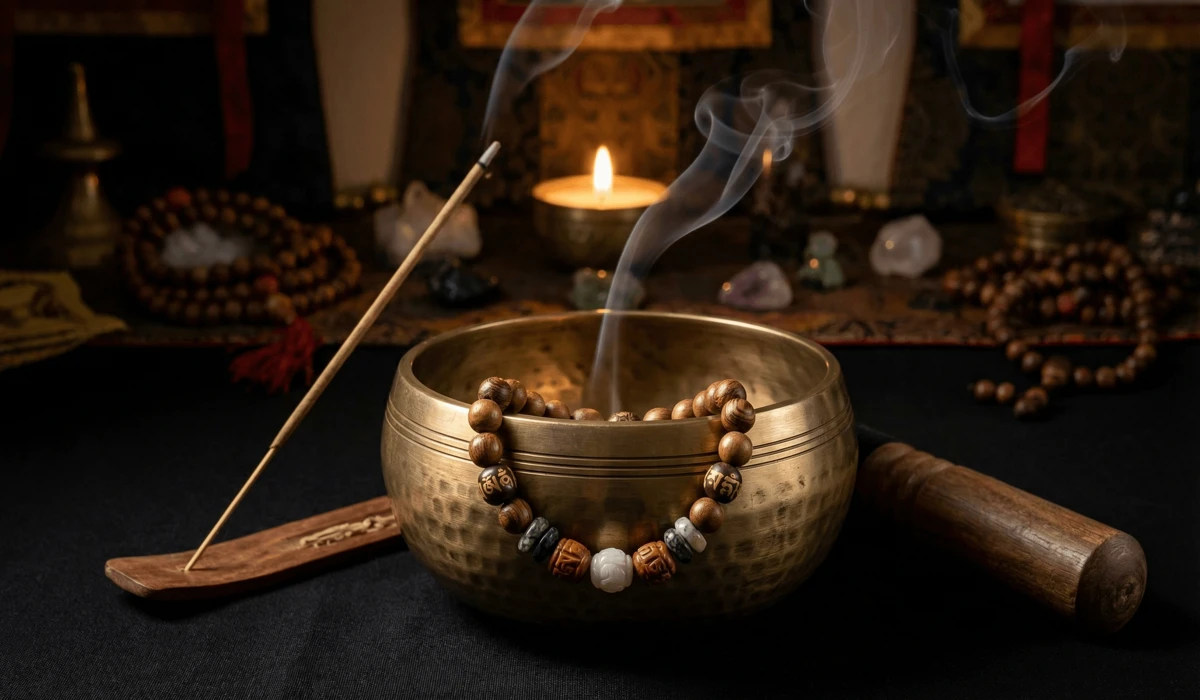
There are several traditional ways to clear the energy of your mantra bracelet without damaging the materials. You should choose the method that feels most natural to your practice and the specific material of your jewelry. For example, metal bracelets respond very well to sound, while wooden ones benefit from the gentle touch of sacred smoke.
- Sound Cleansing: Place your bracelet inside or near a Tibetan singing bowl and strike the bowl to let the vibrations clear the energy.
- Smoke Cleansing: Pass the piece through the smoke of natural Sandalwood or Juniper incense to purify the surface.
- Mindful Wiping: Use a soft, dry cloth to clean the inscriptions while maintaining a calm, focused intention.
Always avoid harsh chemicals, as they can wear down the sacred etchings and damage the metal or wood.
Charging Practices
Charging your bracelet is about infusing it with fresh, positive energy and reinforcing your personal intentions. You can place your bracelet in a safe spot under the light of the full moon to imbue it with calming, feminine energy. Alternatively, the most traditional way to charge a Mani bracelet is to hold it while reciting the Om Mani Padme Hum mantra 108 times.
Daily Care & Storage
To preserve the beauty of your bracelet, remove it before bathing, swimming, or using heavy lotions, especially if it is made of copper or silver. When you are not wearing your bracelet, place it in a dedicated silk pouch or on a clean altar to show respect for the symbols it carries. According to online encyclopedia information, treating sacred objects with reverence is a key part of maintaining their spiritual integrity.
Frequently Asked Questions
Q: What is the literal translation of Om Mani Padme Hum?
A: The most common literal translation is “The Jewel in the Lotus.” Each part of the mantra represents a different aspect of the path to enlightenment: Om (sacred sound), Mani (Jewel), Padme (Lotus), and Hum (unshakeable spirit).
Q: What are the spiritual benefits of wearing a Tibetan mantra bracelet?
A: Tradition suggests that wearing the mantra helps purify the mind and soul through sacred vibrations. It is believed to cultivate a compassionate heart, provide spiritual protection, and assist in maintaining emotional balance during daily life.
Q: Should I wear my Om Mani Padme Hum bracelet on my left or right hand?
A: Most spiritual traditions recommend wearing it on the left hand, which is the “receiving” side for energy and blessings. However, if your intention is to project compassion outward to others, you may choose to wear it on the right hand.
Q: How do I cleanse and charge my Tibetan bracelet?
A: You can cleanse your bracelet using sacred smoke from incense, the vibrations of a singing bowl, or natural sunlight. Charging is best done by holding the bracelet and reciting the six-syllable mantra with a focused heart.
Q: Can anyone wear an om mani padme hum bracelet?
A: Yes, the mantra represents a universal message of compassion and wisdom that is open to everyone. As long as you approach the symbol with respect and a sincere heart, you are welcome to wear and benefit from it.
Conclusion & Gentle Next Step
The Om Mani Padme Hum bracelet is a profound tool that bridges the gap between ancient Himalayan wisdom and modern daily life. By wearing these six syllables, you carry a reminder of your own “inner jewel” and the potential for infinite compassion. Whether you seek protection, emotional balance, or a deeper meditation practice, this sacred jewelry supports your journey toward enlightenment. We invite you to explore our authentic, hand-crafted collection to find the perfect piece that resonates with your soul’s path.
For high-quality materials and authentic designs, visit the GIA (Gemological Institute of America) to learn more about the stones often used in spiritual jewelry. For those interested in the history of materials, the Gem-A (The Gemmological Association of Great Britain) provides excellent background on the metals and gems found in traditional Tibetan crafts.
The content provided in this article is for informational and cultural exchange purposes only. It does not constitute medical, legal, financial, or other professional advice. Readers should consult with qualified professionals regarding any specific health or personal concerns.
Written by the Buddha Bodhis Team
Since 2020, we have been devoted to exploring traditional year-based wisdom, classical Feng Shui principles, and the rich spiritual symbolism rooted in Eastern cultural heritage. Our work bridges ancient metaphysical systems with modern life, interpreting annual cycles, elemental energies, and symbolic meanings to offer thoughtful insight and practical guidance. Through continuous research and practice, we aim to preserve traditional knowledge while making it accessible, relevant, and meaningful for contemporary seekers of balance, intention, and personal growth.
TikTok | YouTube | Pinterest | X
buddhabodhis@gmail.com